

Two stars walking out of the same restaurant. A co-star cheering loudly for someone else’s new release. A childhood friendship group photographed at every party for a decade running. None of it looks like marketing. That is precisely why it works so well.
Friendship as a softer kind of endorsement
A recent feature in Harper’s Bazaar India put the trend plainly, describing how celebrity friendships today function much like endorsements, except they read as far more organic than a straightforward advertisement. When one actor posts in support of another’s film, audiences receive it as personal loyalty rather than promotion, and that distinction changes everything about how the message lands.
The piece pointed to Alia Bhatt and Kareena Kapoor Khan, and to Ananya Panday and Suhana Khan, as pairs who regularly show up for each other’s projects, building a narrative of camaraderie in an industry more commonly associated with competition.
It also noted how Priyanka Chopra Jonas publicly cheering for Katrina Kaif, or younger actors openly admiring seniors, quietly reshapes the wider industry story, sending the subtle message that success does not have to come at someone else’s expense.
The choreography behind the coincidence
None of this happens by accident, and the visual mechanics matter as much as the sentiment. Joint airport arrivals, matching after party appearances and coordinated red carpet walks are, as the same piece observed, no longer random coincidences but a form of visual storytelling in their own right.
Paparazzi culture thrives on exactly this kind of imagery, and two stars arriving together generates coverage that a solo appearance simply would not. For actresses in particular, who have historically been pitted against one another in industry coverage, visible friendship carries an added layer of value, actively working against a decades old narrative of rivalry that many would rather leave behind.
Not everyone is convinced it is real
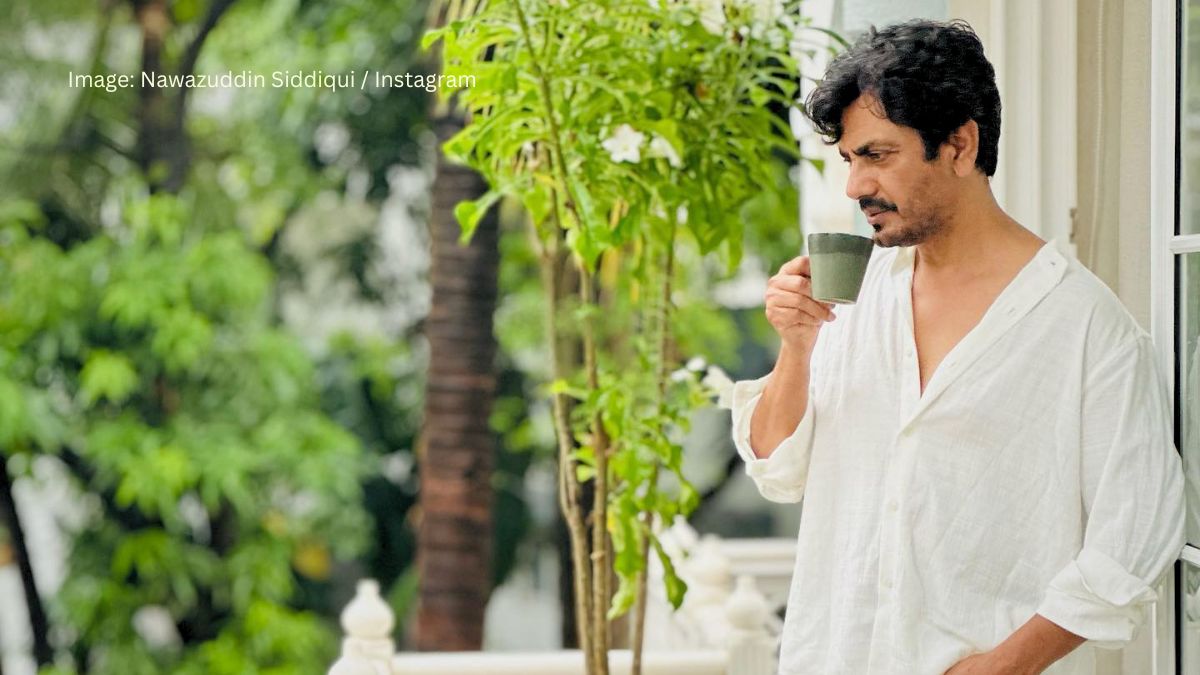
The trend has its sceptics, and some of the sharpest criticism has come from inside the industry itself. Actor Nawazuddin Siddiqui, marking his fiftieth birthday last year, dismissed the idea of genuine camaraderie among Bollywood actors altogether, arguing that insecurity runs so deep that few people in the industry ever truly bond with or stand by one another.
Everyone’s insecure, he said, framing the relationships around him as transactional rather than personal, built on self interest rather than loyalty. His comments were a pointed reminder that behind even the warmest looking friendship, there is often a career calculation running quietly in the background, whether the friendship itself is genuine or not.
Why the strategy works regardless
The reason this approach persists, sincere or otherwise, comes down to what audiences are actually looking for. People are increasingly sceptical of overt advertising and drawn instead to content that feels relatable and human, and a visible friendship offers exactly that, a glimpse of a celebrity’s life that looks unscripted even when it is carefully timed.
A 2016 Shaadi.com survey asking Indian women to name their favourite Bollywood friendships found Amitabh Bachchan and Dharmendra’s Jai and Veeru from ‘Sholay’ topping the list decades after release, evidence that audiences have always responded strongly to portrayals of loyalty and connection, on screen or off it. That appetite has not gone away, it has simply moved from the cinema screen to the Instagram feed, and PR teams have adjusted their playbooks accordingly.
What this means for how PR actually gets built
Whether a given friendship is entirely genuine matters less, from a strategic standpoint, than whether it is visible, consistent and well timed. A carefully nurtured public friendship can now function as an ongoing promotional asset stretched across an entire career, generating goodwill and media coverage long before a single film is even announced.
That is precisely why so many of these bonds appear most visibly right around a release date, and why industry observers increasingly treat celebrity friendship less as a private matter and more as a quiet, deliberate extension of the publicity machine.
Key takeaways
Bollywood friendships increasingly function as a soft PR tool, generating organic seeming publicity through joint appearances, supportive social media posts and coordinated public sightings rather than direct advertising.
While insiders such as Nawazuddin Siddiqui have publicly questioned how genuine many of these bonds actually are, the strategy persists because audiences respond more strongly to relatable, humanised celebrity content than to traditional promotion.